


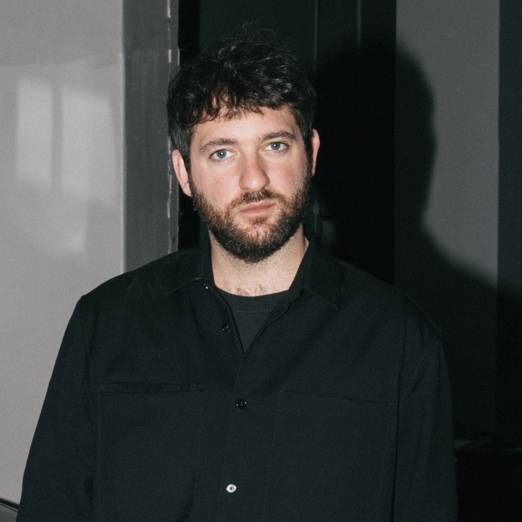




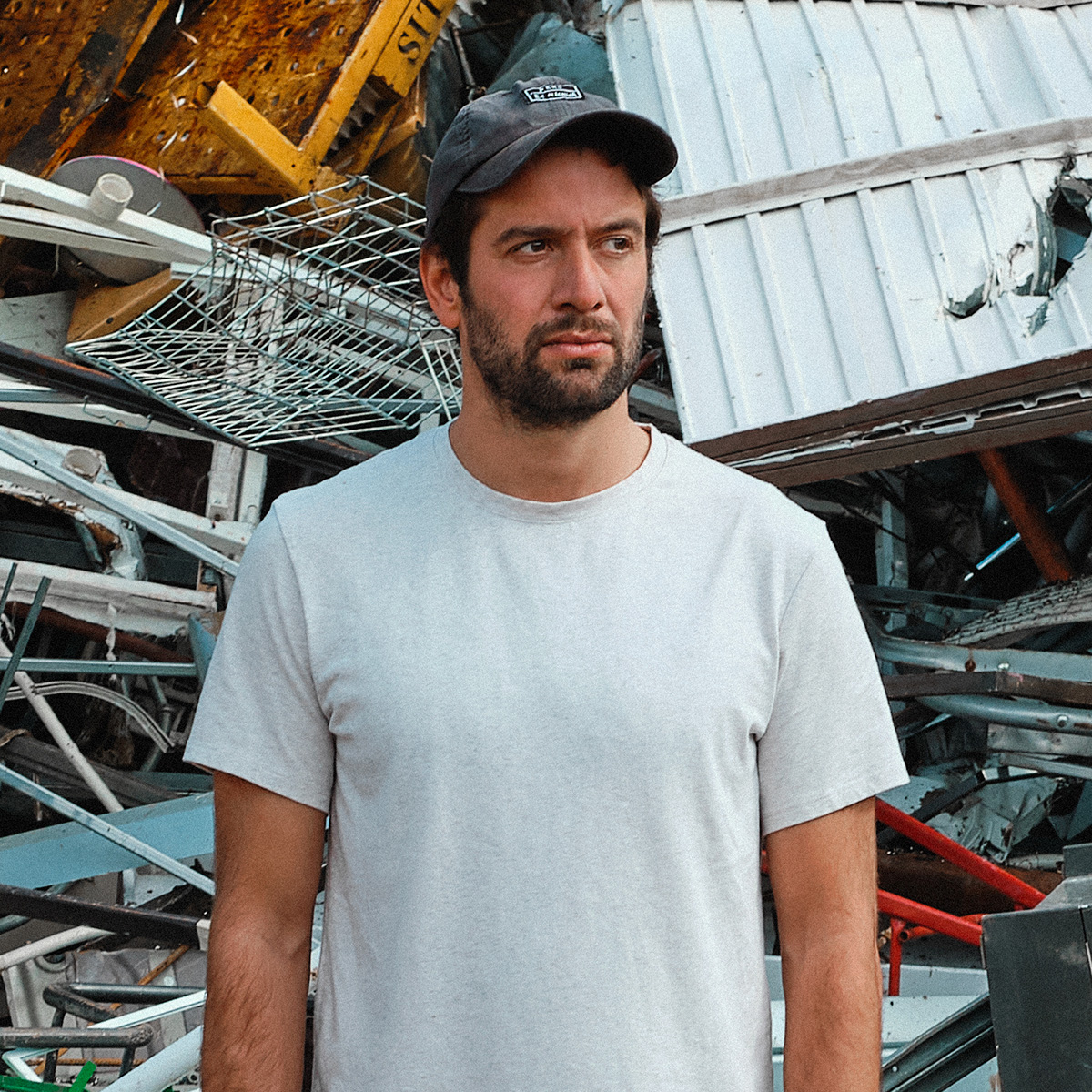
Lucas Muñoz Muñoz (1983) works in the field of art and design, exploring redefinitions of the functionality and materiality of use-objects, spaces and engineering. Through the experimental nature of his body of work, he crafts projects that take a personal look to our artificial environment, using humor and rawness as tools, combined with a deep sense of logic and creativity. He is currently based in Madrid, working from his studio in Tetuán, where he develops projects such as MO de Movimiento, the Residues room at the Spanish Pavilion within the 2025 Venice Biennale, and Sancal´s CoLab offices. His projects were recognized over the last year with international awards including the Dezeen Awards, the Frame Awards, and Interior Designer of the Year (German Design Council). His oeuvre includes a wide range of typologies that span from boats, sound-systems and speakers to chairs, lamps or skateboards, mixed media, documentary films, 3D scanning, site specific installations, etc.
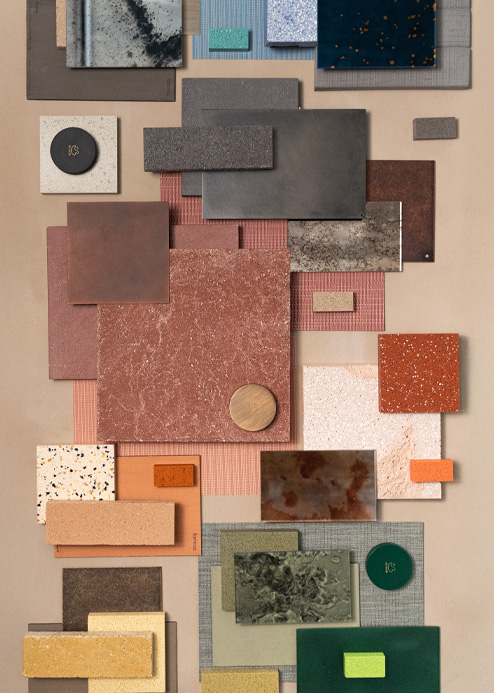
Ex-Debris is a collaborative effort founded and led by Lucas Muñoz Muñoz together to Joan Vellvé Rafecas. The two designers and researchers share a long-standing project trajectory that merges Lucas’s spatial, craft-based and infrastructural experimentation with Joan’s research-driven, contextual, and critical design orientation. Ex-Debris is a design and research platform that transforms local waste streams into situated material systems, objects, and infrastructures. Rooted in the duo’s shared commitment to contextual making and non-extractive economies, the practice bridges architecture, product design, and environmental sense-making. Their projects reimagine discarded matter—industrial residues, construction debris, urban waste—as both material and narrative, revealing how local resources can articulate new vernaculars of sustainability. Award-winning interventions such as MO de Movimiento, Shell of the Ghost, and co-LAB, alongside Elementary Cooling, which brings together Ex-Debris’s contextual and material design approach with JetClay’s advanced ceramic 3D printing expertise, exemplify the Ex-Debris method of combining technical innovation with cultural and ecological sensitivity.